


The Emerging Nations Trophy 2026 – a positive step forward?

After an enjoyable two weeks in the UAE, this tournament comes to a climax on Wednesday as Ireland face Sri Lanka in the final. But has the ICC got the format right?
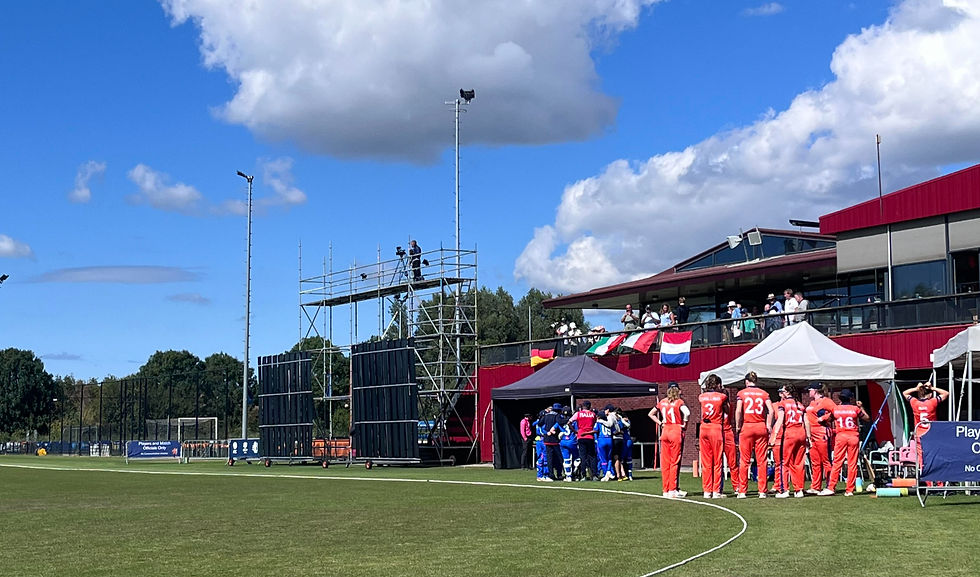
One of the perennial problems faced by the ICC is how to grow the game of cricket. This time last year, the first edition of the Emerging Nations Trophy was held in Thailand. It featured the top eight Associate Nations: Scotland, The Netherlands, Papua New Guinea, United Arab Emirates, Thailand, Namibia, Uganda and Tanzania. These teams were ranked, roughly speaking, just outside the top 10 of the ICC T20i rankings.
Whilst this tournament was quite low profile, it provided a really good tournament format for teams of a similar standard who would rarely have the opportunity to play each other. Additionally, it was a good preparation event for five of those teams who were going to Nepal a few weeks later to take part in the global qualifiers for the T20 World Cup.
It was also a good way of promoting the game in Thailand, a country whose women’s team (ranked 12 in the World) hugely outperform their men’s team (currently ranked 59). Thailand lifted the trophy in 2025, on net run rate, having finished on equal points with Scotland, the Netherlands and UAE.
Fast forward twelve months and an expanded second edition of the tournament, featuring 10 teams is taking place in the UAE. However, on this occasion, five full member nations have been invited to play. Ireland, Sri Lanka, Pakistan, Bangladesh and Zimbabwe have been playing alongside the five top associate nations. So, whilst an expanded tournament seems like good news for associate nations, it actually means that three countries – all from Africa – have missed out on this opportunity.
The teams featured this year are ranked roughly between number seven and number 16 in the world. However, good as it is to see these teams compete against each other, it also reveals the gulf that exists between teams who are professional and those who are not. Thailand, UAE and PNG won one game out of 12 between them.
The Netherlands defeated full members Pakistan and Bangladesh, but then two of their players had to leave the tournament after the group stage because they need to earn money elsewhere in order to continue playing for the Netherlands. Heather Siegers was then concussed and had to miss the Super Six games and Netherlands’ chance of progressing was scuppered.
Sri Lanka, the highest ranked team in the competition, have played very well and taken every game very seriously, looking to dominate the lower ranked teams and beating Pakistan in a match which for Sri Lanka was a dead rubber, having already qualified for the final.
Pakistan and Bangladesh are the teams who have under-performed seriously, both losing to a Netherlands side they easily beat in the World Cup in the summer.
Scotland, Ireland and Netherlands are a very strange trio. The Netherlands have won five of their past 10 T20s against Scotland, but have now lost nine matches in a row against Ireland. Ireland, however, have lost five in a row to Scotland, in a run that goes back three years. Scotland, I think, will be a bit disappointed by their performance, particularly against Pakistan.
Virtually all the Scotland players play cricket as their full-time job and live and train in a cricketing eco-system vastly superior to most of their opponents and it was Ireland’s easy victories against the Netherlands and Pakistan which saw them overtake Scotland, despite being convincingly beaten by the Scots in the group stage.
And so, the final will be between Sri Lanka and Ireland. These two teams met on the first day of this tournament and Sri Lanka walloped Ireland by 10 wickets with seven overs to spare. They also met on a scorching mid-summer’s day at Bristol in this year’s World Cup and Sri Lanka won by nine wickets – Chamari Athapathu hit a century as Sri Lanka chased down 131 with 27 balls to spare.
In fact, Ireland have only beaten Sri Lanka once in seven attempts – a Gaby Lewis century saw them squeeze home by seven runs in Dublin in 2024. It will need another huge contribution from Lewis if Ireland are to stand any chance of lifting the Emerging Nations Trophy.
And what is the future of this tournament? Have the ICC got it right? I think the added quality of teams involved has been a positive and no doubt has increased eyeballs at a global level. I think, however, that it’s a real shame that this has occurred at the expense of African involvement. Namibia, Tanzania and Uganda are countries where cricket could be developed more.
And whilst Sri Lanka have competed fiercely and enthusiastically in this tournament, the same cannot be said for Pakistan and Bangladesh, who under-performed and failed to grasp the opportunity to raise global silverware – something that does not come around very often.
There may even be an argument for rotating the teams involved in future tournaments – one year it could be for associates only, the next for all teams ranked below number six in the world. Whatever happens, we can look forward to seeing the positive impact this tournament could have on the game if a wider group of teams are given the opportunity to showcase their talent on the global stage.
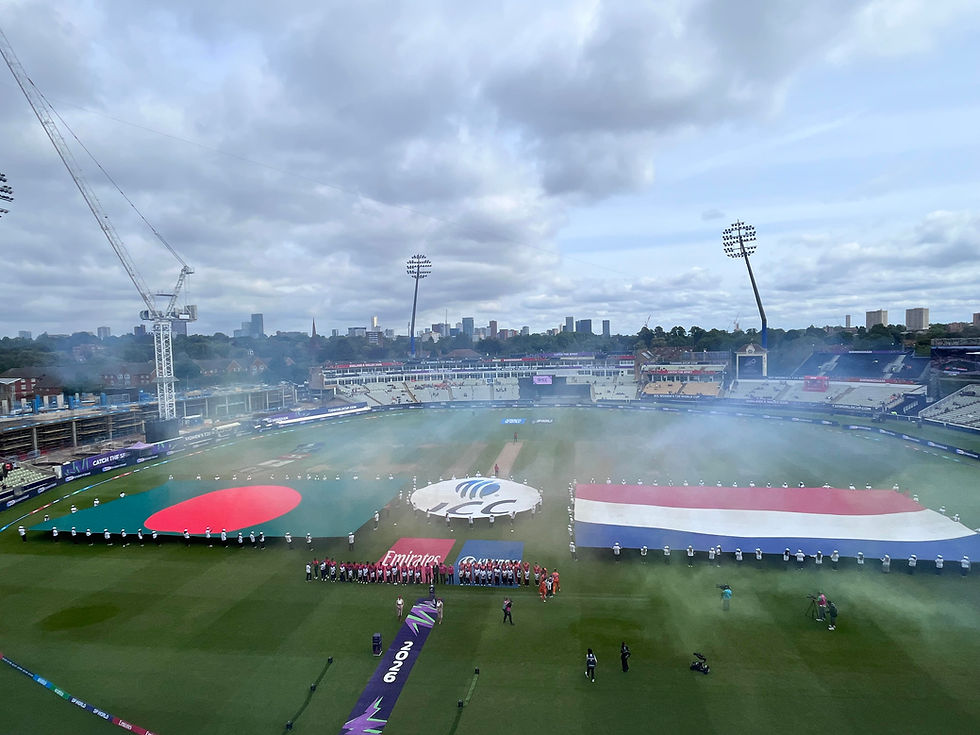


maybe one way to have the tournament include the lower ranked full members but not cut out the number of associates would be two have a 16 team tournament with 4 pools of 4 followed by quarterfinals, semifinals, and finals in both a winners bracket for 1-8 and a losers bracket for 9-16 so each team plays 6 matches and gets to play matches against various levels of competition